|
Alvin Kuk I'm an assistant professor in the City University of Hong Kong (DG) where I currently serve as the associate program coordinator of the biomedical engineering program. Previously I was a postdoc with David Silver at Duke-NUS Medical School. I did my PhD at Duke University where I was advised by Seok-Yong Lee. I've received a Human Frontier Science Program fellowship and a Singapore Young Individual Research Grant. Email / Scholar / Research / Teaching / Funding / Impact / Positions |
|
ResearchWe are interested in sugar and lipid metabolism, protein and metabolic engineering, extracellular matrix, and applications to nanomedicine. An enduring theme of our research is the synthesis, remodeling, and recycling of the glycocalyx, a layer of carbohydrates surrounding the cell, with focus on the transporter proteins and membrane protein enzymes that mediate these processes.
|
|
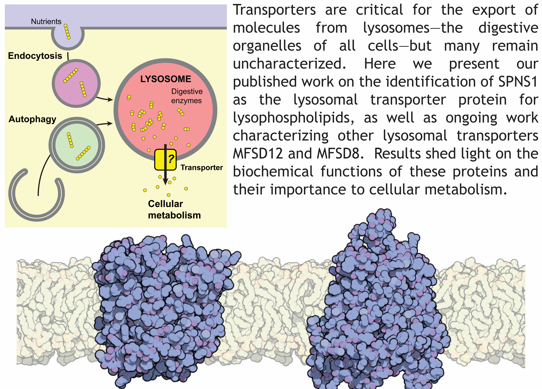
Progress in our understanding of lysosomal transporters
Alvin C. Y. Kuk and David L. Silver HFSP Annual Awardees Meeting, 2025
Presented unpublished research advances at the 24th HFSP Awardees Meeting (9-11 July 2025, Melbourne). Two journal manuscripts are currently in writing. |

|
Lysophospholipid production
David L. Silver*, Cheen Fei Chin*, and Alvin C. Y. Kuk* (*Equal contribution) UK patent filed, 2025 Co-inventors on a UK patent about lysophospholipid production (GB2504160.9). |
|
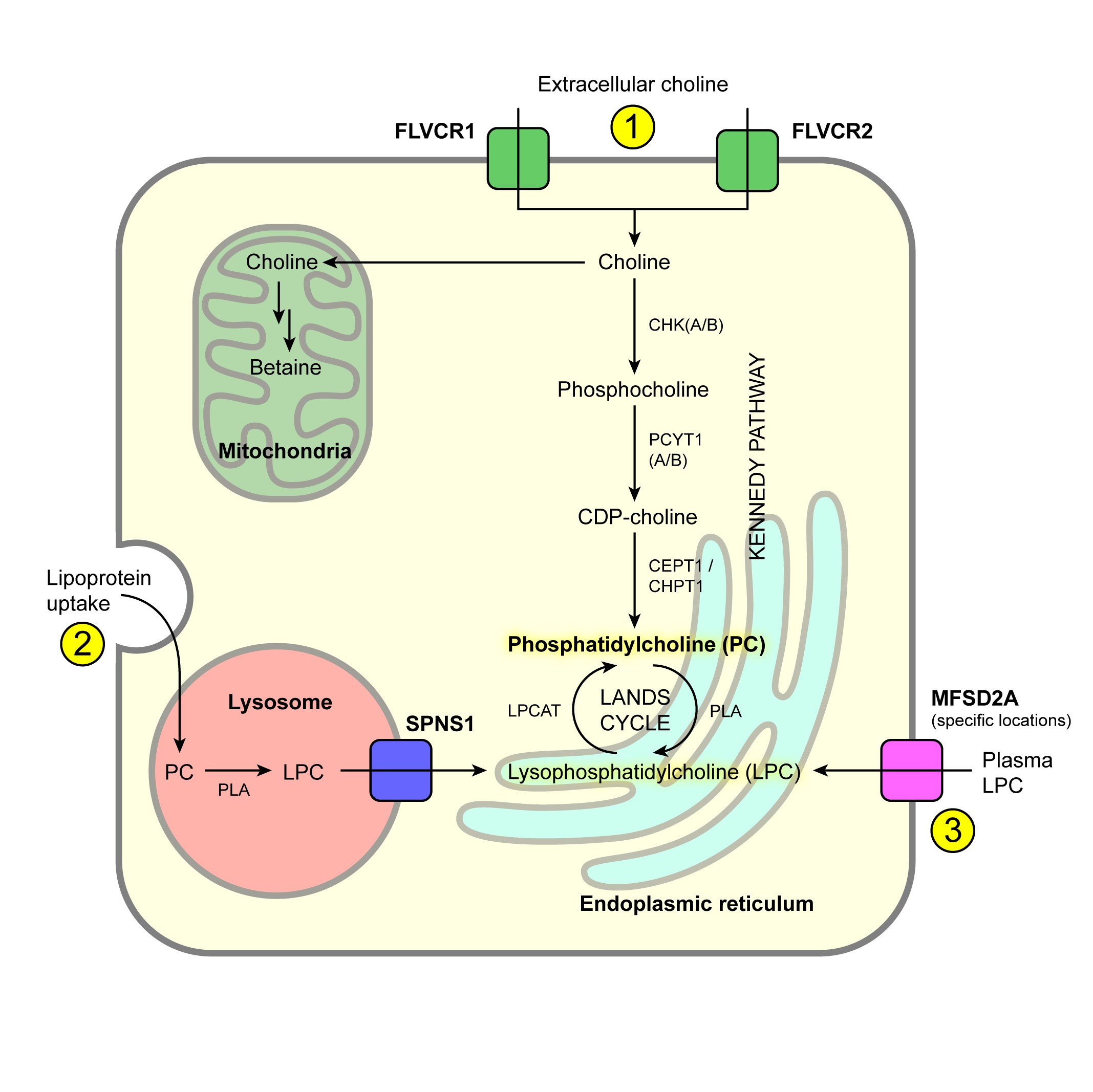
The cellular supply-side economics for phospholipids
Alvin C. Y. Kuk and David L. Silver Cell Metabolism, 2023
We were invited to preview two papers that identified FLVCR1 and FLVCR2 to be the transporters mediating choline uptake for de novo phospholipid synthesis.
|
|
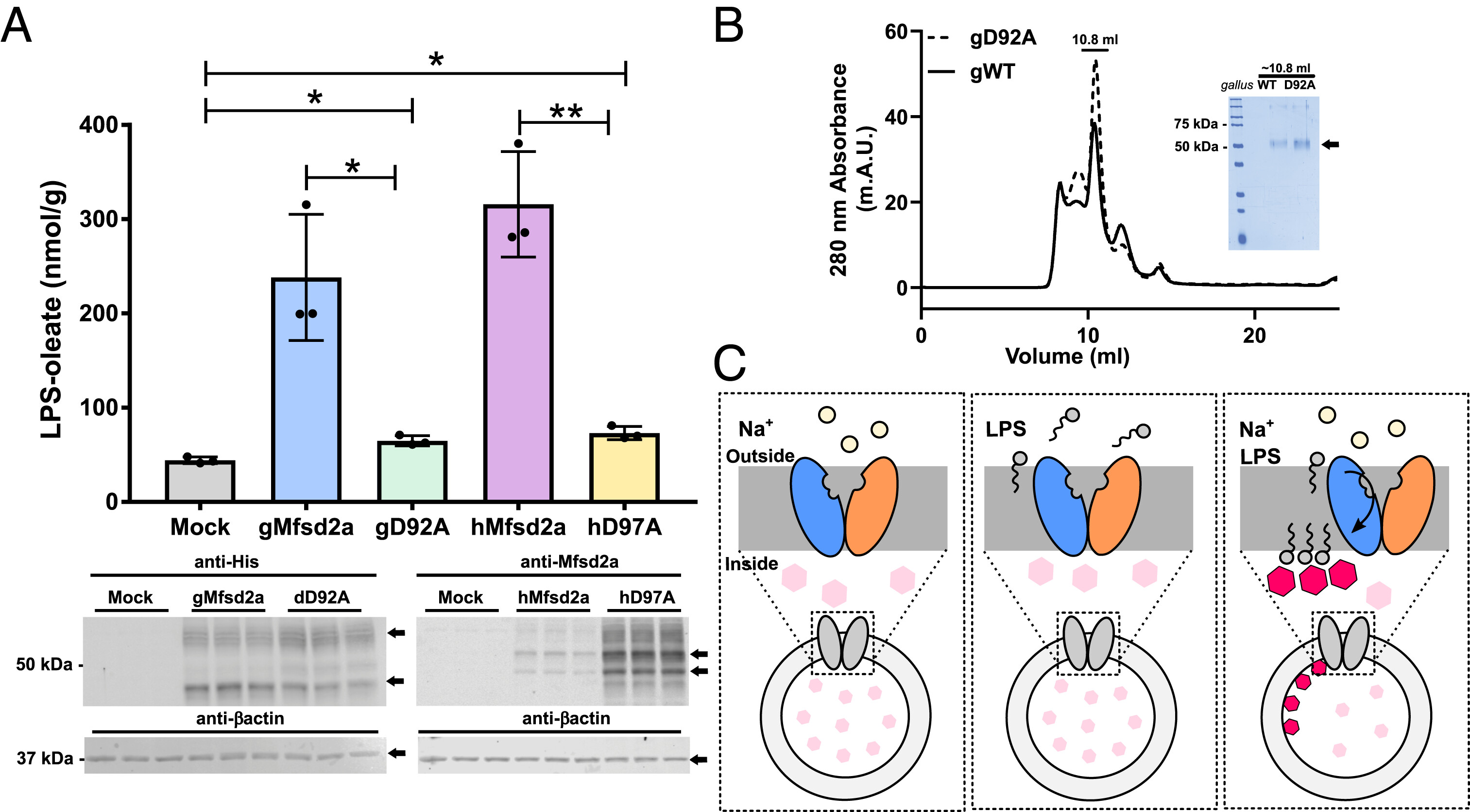
Mfsd2a utilizes a flippase mechanism to mediate omega-3 fatty acid lysolipid transport
Geok-Lin Chua, Bryan C. Tan, Randy Y. J. Loke, Menglan He, Cheen-Fei Chin, Bernice H. Wong, Alvin C. Y. Kuk, Mei Ding, Markus R. Wenk, Lan Guan, Federico Torta, and David L. Silver PNAS, 2023
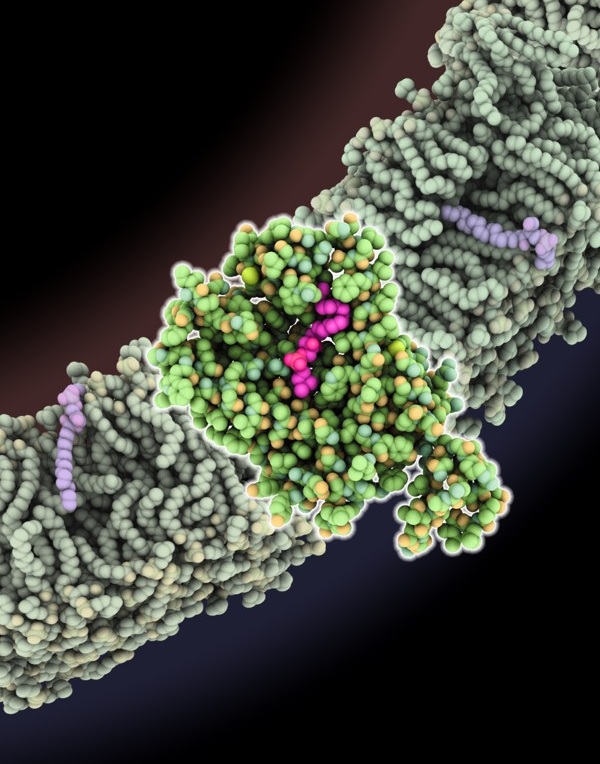
We introduced an in vitro biochemical assay for lipid flipping by the lysophospholipid transporter Mfsd2a.
|
|
Spns1 is a lysophospholipid transporter mediating lysosomal phospholipid salvage
Menglan He*, Alvin C. Y. Kuk*, Mei Ding, Cheen Fei Chin, Dwight L.A. Galam, Jie Min Nah, Bryan C. Tan, Hui Li Yeo, Geok Lin Chua, Peter I. Benke, Markus R. Wenk, Lena Ho, Federico Torta, and David L. Silver (*Equal contribution) PNAS, 2022
We identified the orphan lysosomal protein Spns1 to be the transporter of LPC and LPE lysophospholipids and a key regulator of phospholipid salvage. Ingested phospholipids are digested inside lysosomes and are then salvaged by Spns1 back into cellular phospholipid pools.
|
|
Structure and Mechanism of the Lipid Flippase MurJ
Alvin C. Y. Kuk, Aili Hao, and Seok-Yong Lee Annual Review of Biochemistry, 2022
We were invited to review the literature on the lipid flippase MurJ which supplies bacteria with building blocks to build cell walls. MurJ is an emerging antibiotic target.
|
|
Biallelic MFSD2A variants associated with congenital microcephaly, developmental delay, and recognizable neuroimaging features
Marcello Scala, Geok Lin Chua, Cheen Fei Chin, Hessa S. Alsaif, Artem Borovikov, Saima Riazuddin, Sheikh Riazuddin, M. Chiara Manzini, Mariasavina Severino, Alvin Kuk, Hao Fan, Yalda Jamshidi, Mehran Beiraghi Toosi, Mohammad Doosti, Ehsan Ghayoor Karimiani, Vincenzo Salpietro, Elena Dadali, Galina Baydakova, Fedor Konovalov, Ekaterina Lozier, Emer O’Connor, Yasser Sabr, Abdullah Alfaifi, Farah Ashrafzadeh, Pasquale Striano, Federico Zara, Fowzan S. Alkuraya, Henry Houlden, Reza Maroofian, and David L. Silver European Journal of Human Genetics, 2020
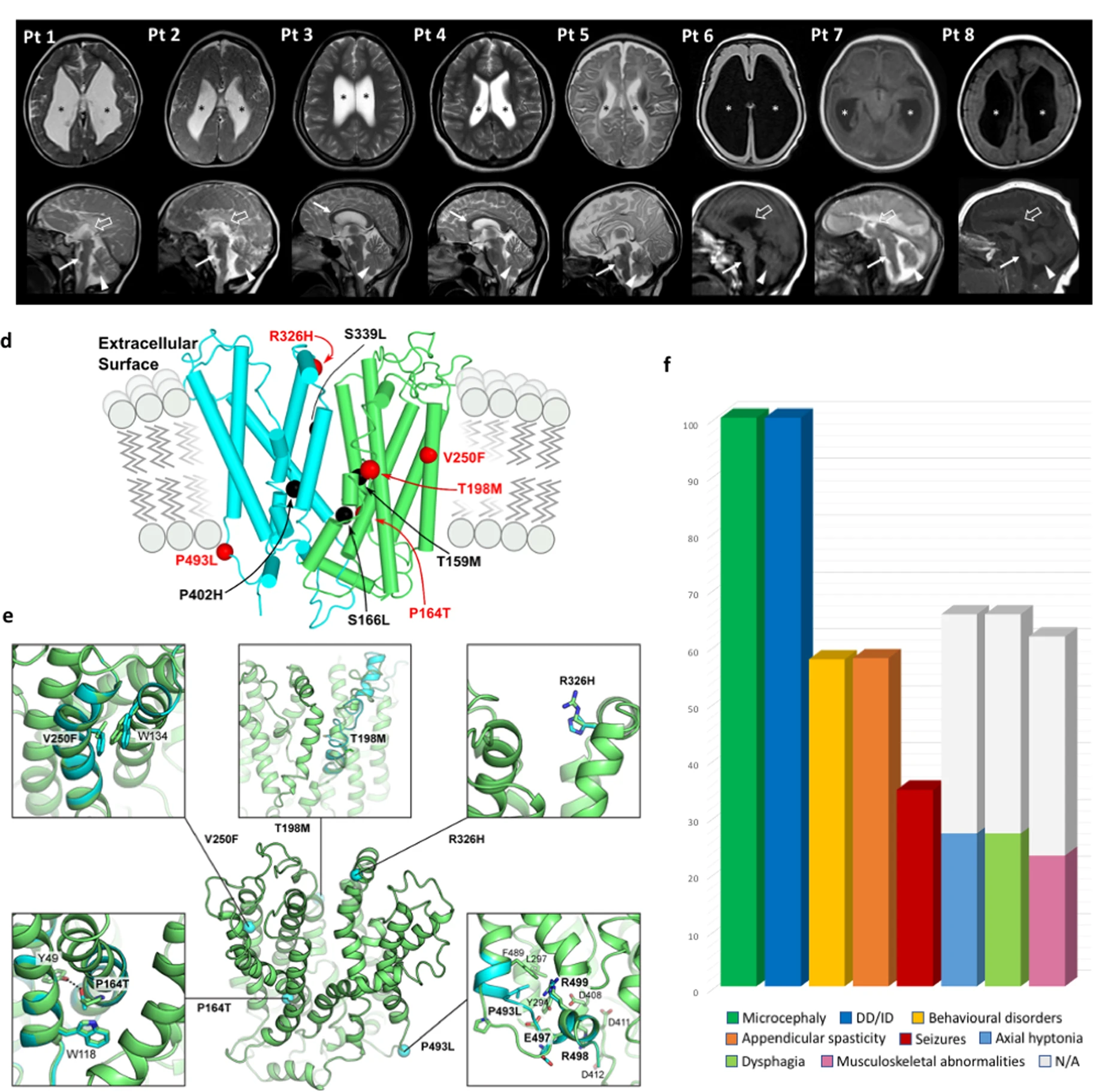
Together with clinical collaborators, we identified human patients carrying genetic mutations in the lysophospholipid transporter Mfsd2a and showed they result in reduced Mfsd2a expression or activity.
|
|
Visualizing conformation transitions of the Lipid II flippase MurJ
Alvin C. Y. Kuk, Aili Hao, Ziqiang Guan, and Seok-Yong Lee Nature Communications, 2019
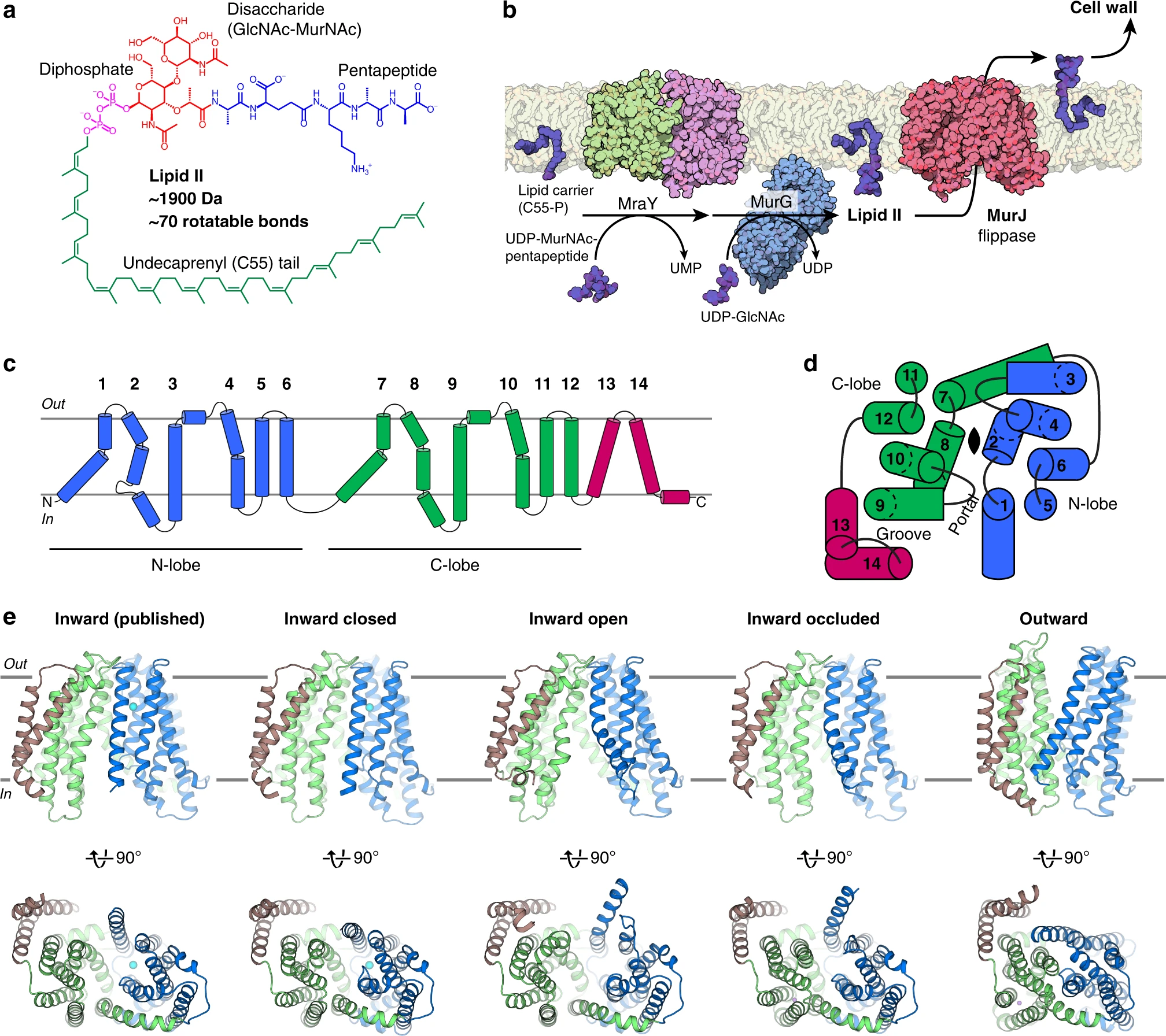
We captured additional crystal structures of the lipid flippase MurJ in the inward-closed, inward-open, inward-occluded, and outward-facing conformations, elucidating the mechanism by which it flips lipid-linked building blocks across the cell membrane for bacteria to make their cell walls.
|
|
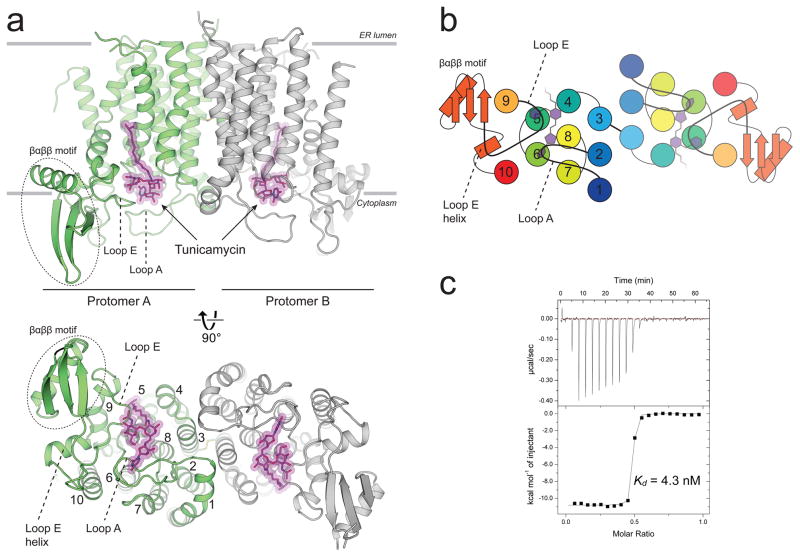
GlcNAc-1-P-transferase–tunicamycin complex structure reveals basis for inhibition of N-glycosylation
Jiho Yoo*, Ellene H. Mashalidis*, Alvin C. Y. Kuk*, Kazuki Yamamoto, Benjamin Kaeser, Satoshi Ichikawa, and Seok-Yong Lee (*Equal contribution) Nature Structural & Molecular Biology, 2018
We captured crystal structures of the human membrane protein enzyme DPAGT1 in complex with the natural product tunicamycin, showing how tunicamycin can inhibit N-linked glycosylation. Tunicamycin has potent antibacterial activity but its usefulness as an antibiotic is limited by its off-target inhibition of human DPAGT1. By comparing the structures of DPAGT1-tunicamycin and bacterial MraY-tunicamycin, we were able to design a bacteria-specific tunicamycin analog.
|
|
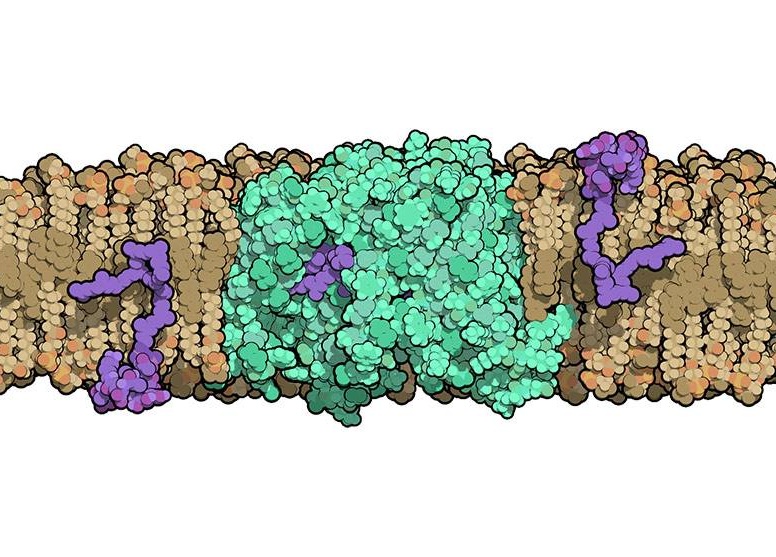
Crystal structure of the MOP flippase MurJ in an inward-facing conformation
Alvin C. Y. Kuk, Ellene H Mashalidis, and Seok-Yong Lee Nature Structural & Molecular Biology, 2017 Paper highlighed on Faculty of 1000
We captured the first crystal structure of the lipid flippase MurJ showing how it can bind and transport lipid-linked peptidoglycan precursors by an alternating access mechanism. Transport of these building blocks across the cell membrane by MurJ is a critical step for bacteria to build cell walls, thereby making MurJ an key target for antibiotics development.
|
TeachingI currently teach these Master's courses: BME6118: Biomedical imaging and biophotonics BME6141: Fundamentals and application of single-molecule biophysics |
Funding |
|

|
National Medical Research Council, Singapore Open Fund - Young Individual Research Grant 2023-2026 |

|
Human Frontier Science Program Long Term Fellowship 2020-2023 |
Education |
|

|
Duke-NUS Medical School Postdoctoral fellow Supervised by Prof. David L Silver 2019-2026 |
|
Duke University PhD in Biochemistry Supervised by Prof. Seok-Yong Lee 2013-2018 |

|
National University of Singapore B.Sc. (First Class Honors) Lijen Industrial Development Medal Life Sciences 2009-2013 |
ImpactWe have consistently published in Tier 1/Q1 journals such as PNAS, Cell Metabolism, Nature Structural & Molecular Biology, and Nature Communications. Our work has received no less than 600 journal citations, including by US National Academy of Sciences members Daniel Kahne and Suzanne Walker (Harvard University), Barbara Imperiali (Massachusetts Institute of Technology), and Dame Carol V Robinson (Oxford University). We have presented our research at international conferences such as the Great Wall Symposium and HFSP Awardees Meetings. |
PositionsWe are recruiting highly motivated candidates for the following positions: 1. PhD student (jointly mentored with CityU HK faculty, receives CityU HK degree) 2. Research assistant Interested candidates can contact me by email, please include (1) your CV and (2) a one-page cover letter describing your research interests and career aspirations/plans. 3. Master's research project (currently enrolled students only*) I am also accepting students for Master's research project. *Candidates interested in applying to the Master's program in Biomedical Engineering are encouraged to inquire by email, but all applications should be submitted to the City University of Hong Kong (DG) online application system. |